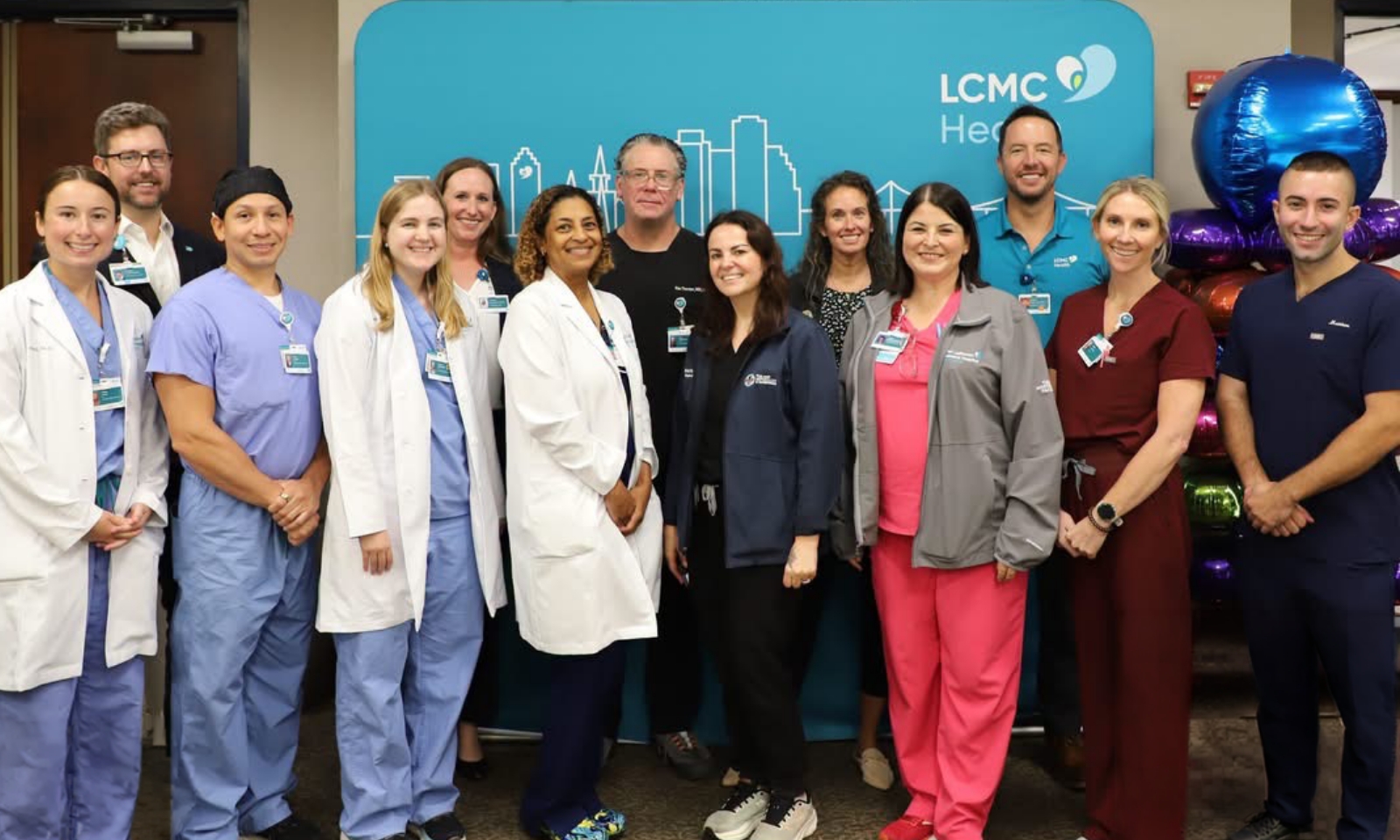
For generations, nursing education has connected classroom learning with clinical experience, preparing students to enter the workforce and begin their careers.
Today, those connections are becoming broader and deeper.
“We’re investing in people. When we help nurses grow, everyone benefits.”
– Ruby Brewer, MSN/MBA, RN, NEA-BC, Chief Nursing and Quality Officer, East Jefferson General Hospital
As health care continues to evolve, preparing tomorrow’s nurses requires more than clinical rotations alone. It calls for partnerships that connect education and practice in meaningful ways, creating opportunities for students to learn, for practicing nurses to continue their professional development and for health care organizations and academic institutions to learn from one another.
At the LSU Health Sciences Center New Orleans School of Nursing, those relationships have become a defining part of the school’s approach to nursing education.
“Academic-practice partnerships are really about growing the nursing workforce together,” says Jennifer Manning, PhD, ACNS-BC, CNE, FCNS, FAAN, Associate Dean for Undergraduate Programs. “The more connected we are, the better we can prepare nurses for the realities of practice while continuing to learn from the people caring for patients every day.”
A Partnership Years in the Making
Among the School of Nursing’s long-standing collaborations is its relationship with East Jefferson General Hospital.
What began as a traditional academic-practice partnership has evolved into something much broader, bringing together nursing education, research, professional development and workforce planning in ways that benefit students, practicing nurses and ultimately patients.
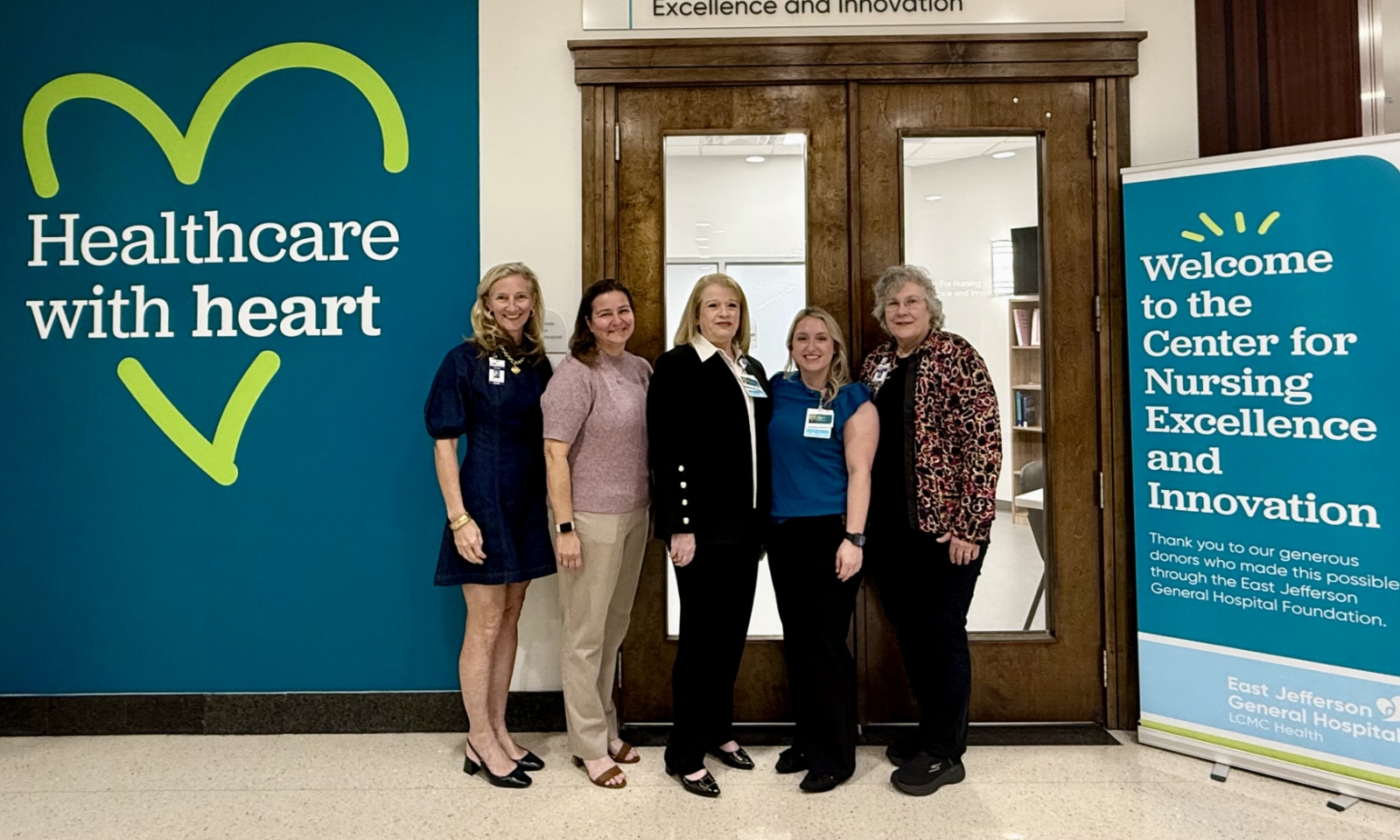
That shared vision recently took shape through the Center for Nursing Excellence and Innovation, a collaborative initiative designed to support nurses at every stage of their professional journey.
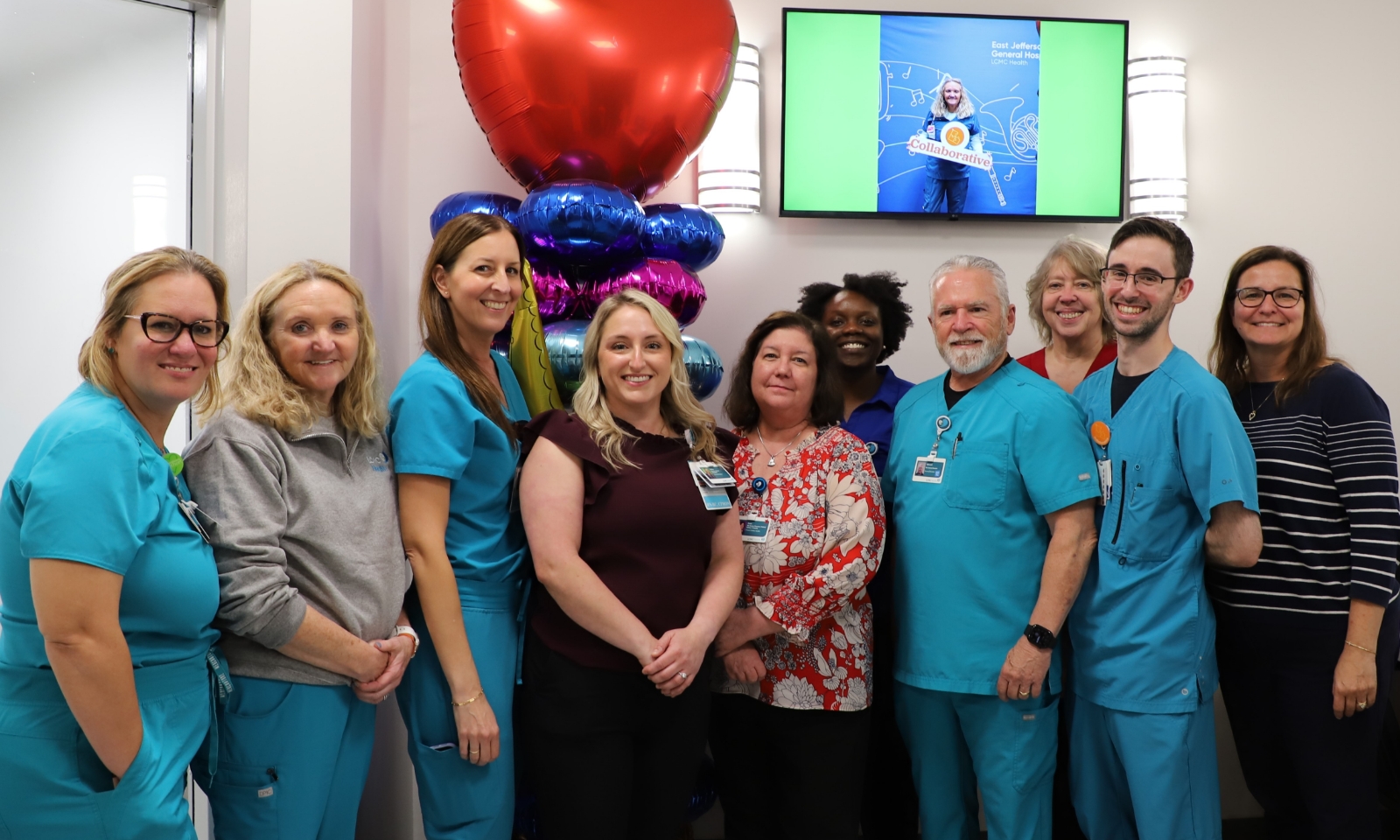
For Ruby Brewer, MSN/MBA, RN, NEA-BC, Chief Nursing and Quality Officer at East Jefferson General Hospital, the idea grew from a simple question.
“Why wouldn’t we create one place where people can receive career coaching and advising?” Brewer says. “Joining an organization should mean joining one that wants you to grow.”
Rather than focusing solely on students, the center serves aspiring nurses, bedside clinicians, future nurse leaders and experienced professionals pursuing certifications, graduate education or new career paths. Faculty from the School of Nursing provide advising and office hours, and nurses have access to guidance on educational opportunities, research projects and professional development.
Whether someone is considering nursing as a second career, pursuing an advanced practice role or simply wondering what comes next, the center provides a place to begin.
“It’s about helping people see a pathway,” Manning says. “Sometimes the biggest challenge isn’t motivation, it’s knowing where to start.”
More Than Clinical Rotations
For decades, academic-practice partnerships largely centered on student clinical experiences. While those remain essential, today’s partnerships have expanded well beyond the traditional model.
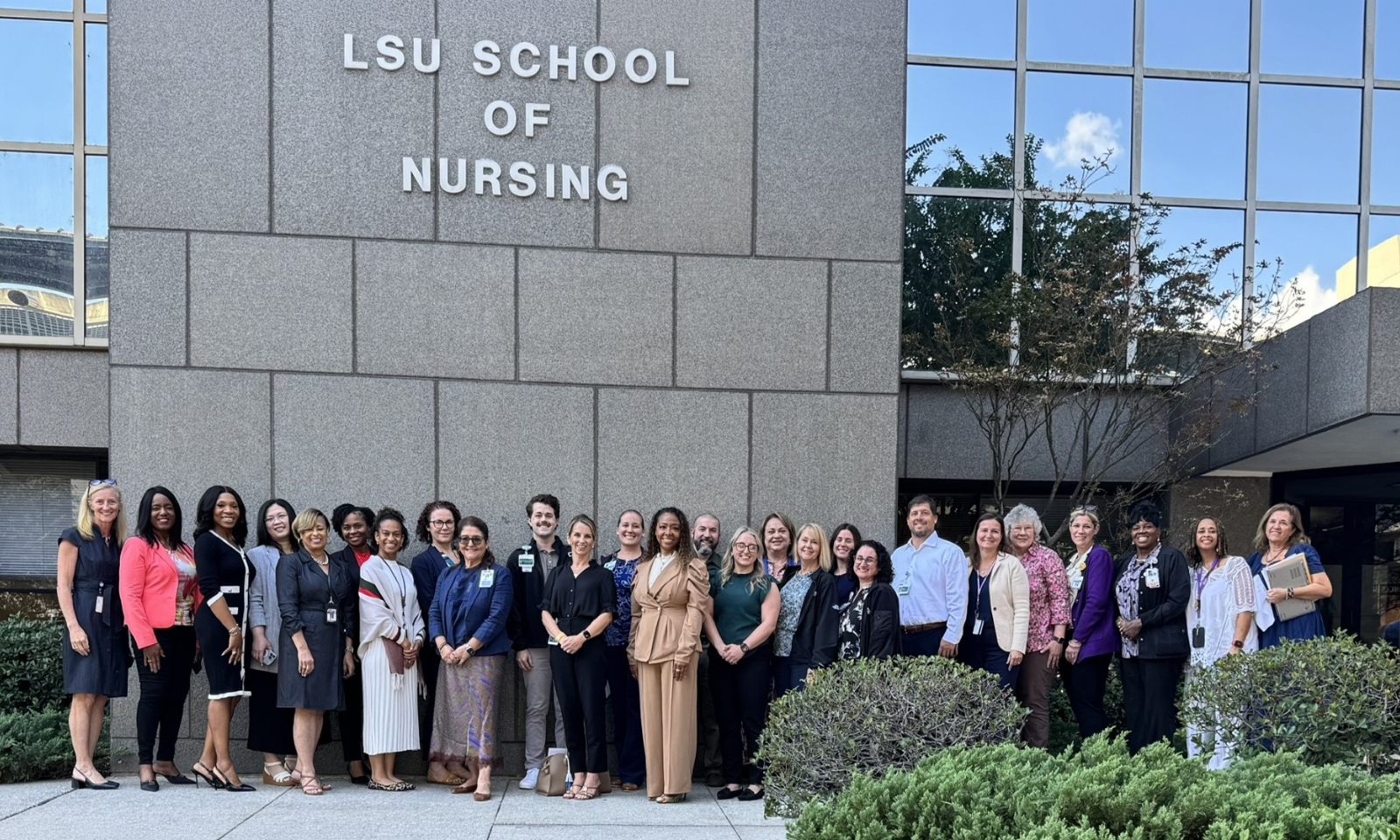
Faculty collaborate with clinical leaders on evidence-based practice initiatives and research. Hospital nurses pursuing advanced degrees have access to faculty expertise and mentoring for scholarly projects. Students gain experiences that reflect today’s health care environment, while faculty remain closely connected to the realities of clinical practice.
At the same time, health care organizations gain access to educational resources and research expertise while building stronger relationships with the nurses who may one day join their teams.
“Neither side has all the answers,” Brewer says. “When schools and health care organizations work together, we’re able to create opportunities that simply wouldn’t exist otherwise.”
A Statewide Commitment
East Jefferson General Hospital is one example of the School of Nursing’s broad network of academic-practice partnerships across Louisiana.
Clinical affiliation agreements with LCMC Health, Ochsner Health and the Southeast Louisiana Veterans Health Care System help ensure that students complete clinical experiences through longstanding collaborations with health care organizations.
Academic-practice partnerships also support workforce development programs designed to address health system employment needs. The LSUHSC SON-LCMC Health Scholars Program, Ochsner Nurse Scholars Program and Veterans Administration VALOR Program provide financial support and structured professional opportunities, helping reduce barriers for students while strengthening their pathways into the nursing workforce. Together, these initiatives reflect a national model for academic-practice partnerships.
“It is a generous investment in a student’s future, and at graduation, the student has a solid plan to onboard as a new graduate staff nurse. Scholars are grateful for the opportunity and often pay it forward as they care for patients,” says Jennifer Couvillon, PhD, RN-BC, CNE, FAAN, Associate Dean for Professional Practice and Advanced Practice Nursing.
In Baton Rouge, the Traditional BSN Off-Campus Instructional Site expands access to nursing education through partnerships with LSU and local clinical organizations, including Our Lady of the Lake.
Together, these collaborations create opportunities for students to learn in a variety of practice settings while helping address workforce needs throughout the state.
Although each partnership reflects the unique needs of its organization and community, all share a common purpose: creating stronger connections between education and practice that benefit nurses, patients and communities alike.
Looking Ahead
As the profession continues to evolve, so will the partnerships that support it.
For Brewer and Manning, the Center for Nursing Excellence and Innovation represents not an endpoint, but the next step in a relationship that has evolved over many years.
The vision is one where education and practice remain connected throughout a nurse’s career – from the first clinical experience to leadership, advanced education and beyond.
“We’re investing in people,” Brewer says. “When we help nurses grow, everyone benefits.”